
Introduction
Your kidneys play a key role in keeping your body healthy. They remove waste, balance fluids, and help control blood pressure. Because of this, checking kidney health is important. Kidney function tests help doctors see how well your kidneys are working. In this blog, you will learn what kidney function tests are, why they matter, and what to expect during the process.
What Are Kidney Function Tests?
Kidney function tests are simple checks that show how well your kidneys are working. These tests look for signs of kidney problems or damage. Often, doctors use these tests to find issues early. Early detection can help prevent serious health problems.
Types of Kidney Function Tests
There are several types of kidney function tests. Each test gives different information about your kidney health. Here are the main types:
Why Are Kidney Function Tests Important?
Kidney function tests are important for many reasons. First, they help find kidney problems early. Early treatment can prevent further damage. Also, these tests help monitor people with diabetes, high blood pressure, or other risks. In addition, they guide doctors in choosing the right treatment. According to the CDC, early detection of kidney disease can save lives.
How Are Kidney Function Tests Performed?
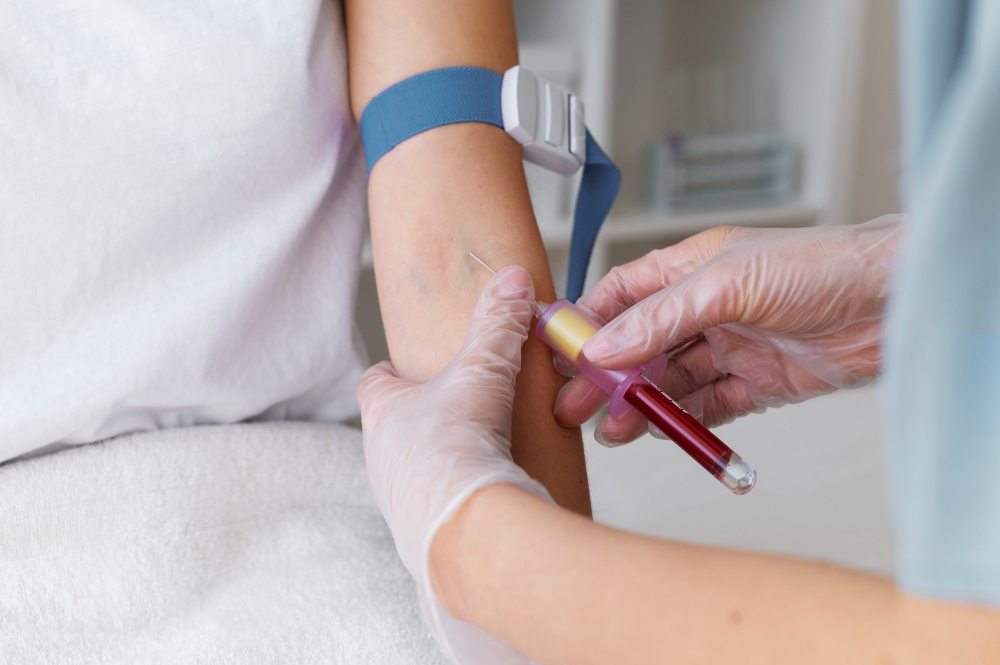
Most kidney function tests are quick and simple. Usually, a nurse or technician will take a small blood sample from your arm. For urinalysis, you will be asked to provide a urine sample in a clean container. The process is safe and causes little discomfort. After the samples are collected, they are sent to a lab for testing.
How to Prepare for Kidney Function Tests
Preparing for kidney function tests is easy. However, you should follow your doctor’s instructions. Here are some common tips:
Because preparation can vary, always check with your healthcare provider.
Understanding Kidney Test Results
After your tests, your doctor will explain the results. Here is what you might learn:
Because results can be confusing, always ask your doctor to explain what they mean for you.
Prevention and Tips for Kidney Health
Keeping your kidneys healthy is important. Here are some tips:
Because prevention is better than cure, these steps can help protect your kidneys.
When to Consult a Doctor
If you have symptoms like swelling, tiredness, or changes in urination, see a doctor. Also, if you have diabetes, high blood pressure, or a family history of kidney disease, regular kidney function tests are important. Early action can make a big difference.
Consult Dr. K. Naresh for personalized advice on kidney health and function.